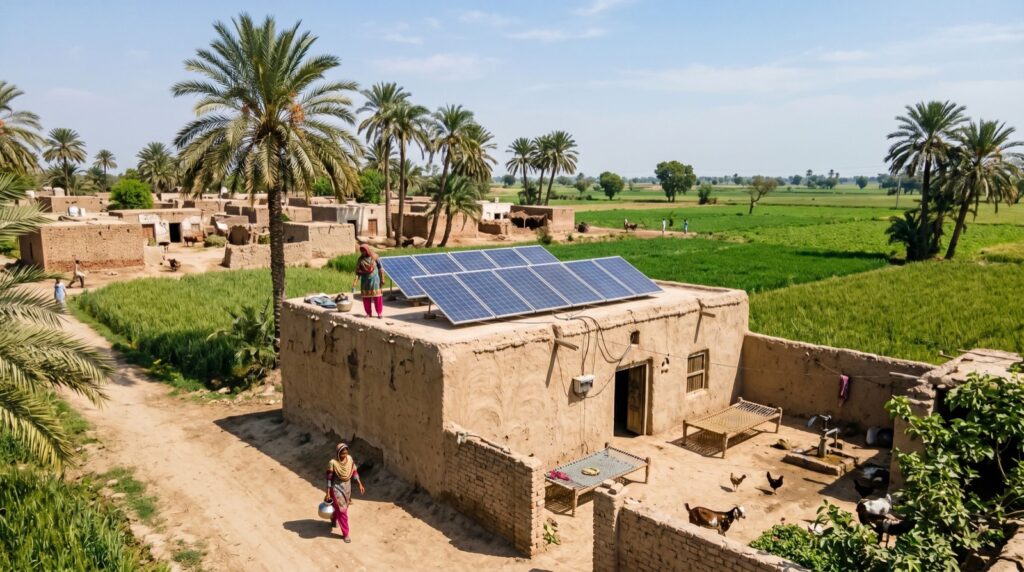
Installing solar panels in Quetta makes exceptional sense in 2026, because Balochistan’s capital enjoys some of the highest solar irradiance in all of Pakistan. Long sunshine hours, cool ambient temperatures, and steep grid tariffs combine to give rooftop solar here an outstanding return on investment. This guide explains how Quetta’s climate boosts panel performance, how to size a system for the region, and what to expect from a professional installation.
Quetta’s high altitude and dry air actually improve solar output compared with hotter, hazier cities. If you have been waiting for the right moment to cut your electricity bill, the numbers now firmly favor going solar. Here is everything you need to plan a durable, high-yield system.
Why Quetta’s Climate Is a Solar Goldmine
Solar panels lose efficiency as they heat up, so Quetta’s cooler temperatures give it a real advantage. Combined with clear skies and elevation, rooftops here often outperform lower, hotter cities on a per-kilowatt basis.
Global irradiance mapping from IRENA places Balochistan among the strongest solar-resource zones in South Asia. That translates directly into faster payback and higher lifetime generation for local homeowners and businesses.
Climate Advantages Summarized
- Cool ambient temperatures that preserve panel efficiency.
- High altitude and clear, dry air for strong irradiance.
- Long daylight hours across most of the year.
- Low humidity, which reduces corrosion on hardware.
How Many Solar Panels Do You Need in Quetta?
System sizing starts with your electricity consumption. Review your last twelve bills, find your average daily kilowatt-hours, and divide by Quetta’s generous effective sun-hours to estimate capacity. Because output per panel is high here, you may need slightly fewer panels than in hazier cities.
Reputable providers of solar panels in Quetta perform a proper load assessment and shade study rather than quoting a generic package. Accurate sizing ensures you neither overspend nor fall short of covering your bill.
Quetta Sizing and Output Guide
| System Size | Panels (approx.) | Est. Annual Output | Ideal Use |
|---|---|---|---|
| 3 kW | 6 | ~5,000 kWh | Small homes |
| 5 kW | 10 | ~8,200 kWh | Family residences |
| 10 kW | 18 | ~16,000 kWh | Villas & shops |
| 20 kW | 36 | ~32,000 kWh | Commercial units |
Steps to a Successful Quetta Installation
- Book a structural and shade survey to confirm roof suitability.
- Size the system from real consumption, not guesswork.
- Choose certified, cold-tolerant panels and a reliable inverter.
- Secure mounting rated for wind and occasional snow loads.
- Complete net-metering paperwork with your distribution company.
Following these steps keeps your project on schedule and your yield high. Because Quetta sees cold snaps, insist on mounting and cabling rated for temperature swings and wind exposure.
Comparing Quetta With Coastal Cities Like Karachi
Many buyers wonder how Quetta stacks up against humid coastal markets. While the coast offers long daylight, salt air and haze can trim output and demand more corrosion-resistant hardware. If you also own coastal property, professional solar panels in Karachi use marine-grade components and coatings suited to that environment. Coordinating both installations with one trusted provider keeps warranties and monitoring unified. Buyers comparing regional crews often turn to trusted professionals to keep quality consistent across every site.
Protecting Panels Against Wind and Snow
Quetta’s climate rewards solar owners with cool, efficient generation, but it also demands robust mounting. Strong seasonal winds and occasional snowfall put real stress on rooftop hardware, so structural quality is non-negotiable here. Skimping on the racking is a false economy that can end in costly damage.
Insist on galvanized or aluminum mounting rated for local wind speeds, with properly torqued fasteners and correct roof anchoring. Panels should be tilted steeply enough to shed snow naturally, and cabling should be rated for wide temperature swings to prevent cracking in the cold.
A professional crew will also verify that your roof structure can bear the combined load of panels, mounting, and any snow accumulation. This engineering check, often skipped by budget vendors, is exactly what keeps a Quetta system standing safely for its full 25-year life.
Battery Storage and Energy Independence
While net metering covers most households, some Quetta homes and businesses want true resilience against outages. Battery storage lets you capture surplus daytime generation and use it after sunset or during grid failures. Modern lithium batteries are compact, efficient, and increasingly affordable.
- Keep essential loads running through unexpected outages.
- Store cheap daytime energy for use during peak evening hours.
- Reduce reliance on the grid in areas with unstable supply.
- Pair with a hybrid inverter for seamless automatic switching.
Storage adds upfront cost, so size it around the loads you truly need to back up rather than your entire home. A skilled installer helps you strike the right balance between resilience and budget.
Costs, Net Metering, and Payback
Thanks to strong irradiance, Quetta systems frequently recover their cost within three to five years, then deliver two decades of near-free power. Net metering lets you export surplus daytime units to the grid and draw credited energy at night, minimizing your bill.
Bank financing spreads the upfront cost across several years, so many households save money from month one. With tariffs climbing, waiting only increases what you pay the grid in the meantime.
Consider a practical example. A Quetta family running lights, fans, and a couple of air conditioners through the day can offset almost their entire bill with a well-sized array, thanks to the region’s strong irradiance. Each unit the system generates is a unit they no longer buy at rising grid rates, and that saving grows every year.
For businesses, the case is even stronger. Shops, cold stores, and small factories consume most of their power during daylight, aligning perfectly with peak solar output. That high self-consumption ratio drives some of the fastest payback periods in the country, often well under four years for commercial rooftops.
Frequently Asked Questions
Do solar panels work well in cold Quetta winters?
Yes. Panels actually operate more efficiently in cool weather, provided snow is cleared promptly. Winter output is lower only because daylight hours shorten, not because of the cold itself.
How long do solar panels last in Quetta’s climate?
Quality panels are warrantied for around 25 years, and Quetta’s dry, low-humidity air often helps hardware age gracefully with minimal corrosion.
Is battery backup necessary?
Not for grid-tied net metering. Add a hybrid inverter and batteries only if you want power during outages or wish to store daytime surplus for evening use.
How much maintenance do the panels need?
Very little. Plan to clean panels a few times a year, especially after dust storms, and schedule an annual electrical check to keep everything running at peak output.
Conclusion: Harness Quetta’s Powerful Sun
With its cool air, high altitude, and abundant sunshine, Quetta is one of the best places in Pakistan to install solar panels in 2026. Choose certified equipment, size your system accurately, and work with a local crew that understands the region’s climate and grid. Request your free site survey today and start turning Quetta’s brilliant sun into decades of clean, affordable power.