Puppy Potty Training and Cleanup: The 2026 New-Owner Playbook
Puppy potty training and cleanup go hand in hand, and getting both right early sets the tone for years of easy pet ownership. New owners often focus on the training and forget that fast, thorough cleanup is what actually reinforces good habits. This 2026 playbook covers both sides of puppy potty training and cleanup.
A puppy under six months may eliminate every two hours. That is a lot of accidents, indoors and out, and how you respond to each one teaches your puppy where to go next.
Why Cleanup Drives Training Success
Puppies return to spots that smell like previous accidents. If you only wipe the surface, the lingering scent invites a repeat. Complete, odor-eliminating cleanup is therefore a core training tool, not an afterthought.
Outdoors, prompt pickup keeps your yard’s designated potty area clean and inviting, which encourages your puppy to use it consistently.
- Scent memory: puppies revisit spots they can smell.
- Enzyme cleaners: break down odor, not just cover it.
- Consistent spots: a clean potty zone builds routine.
- Fast pickup: reinforces the “go outside” habit.
What’s the Right Potty Training Schedule?
Structure beats guesswork. A predictable schedule tied to meals, naps, and play helps a puppy learn faster and cuts down on accidents you have to clean.
| Puppy Age | Bladder Control | Potty Trips Per Day |
|---|---|---|
| 8–10 weeks | ~1 hour | 8–12 |
| 3–4 months | ~3 hours | 6–8 |
| 5–6 months | ~4–5 hours | 5–6 |
| 6+ months | Most of the day | 4–5 |
Building Your Puppy Cleanup Kit
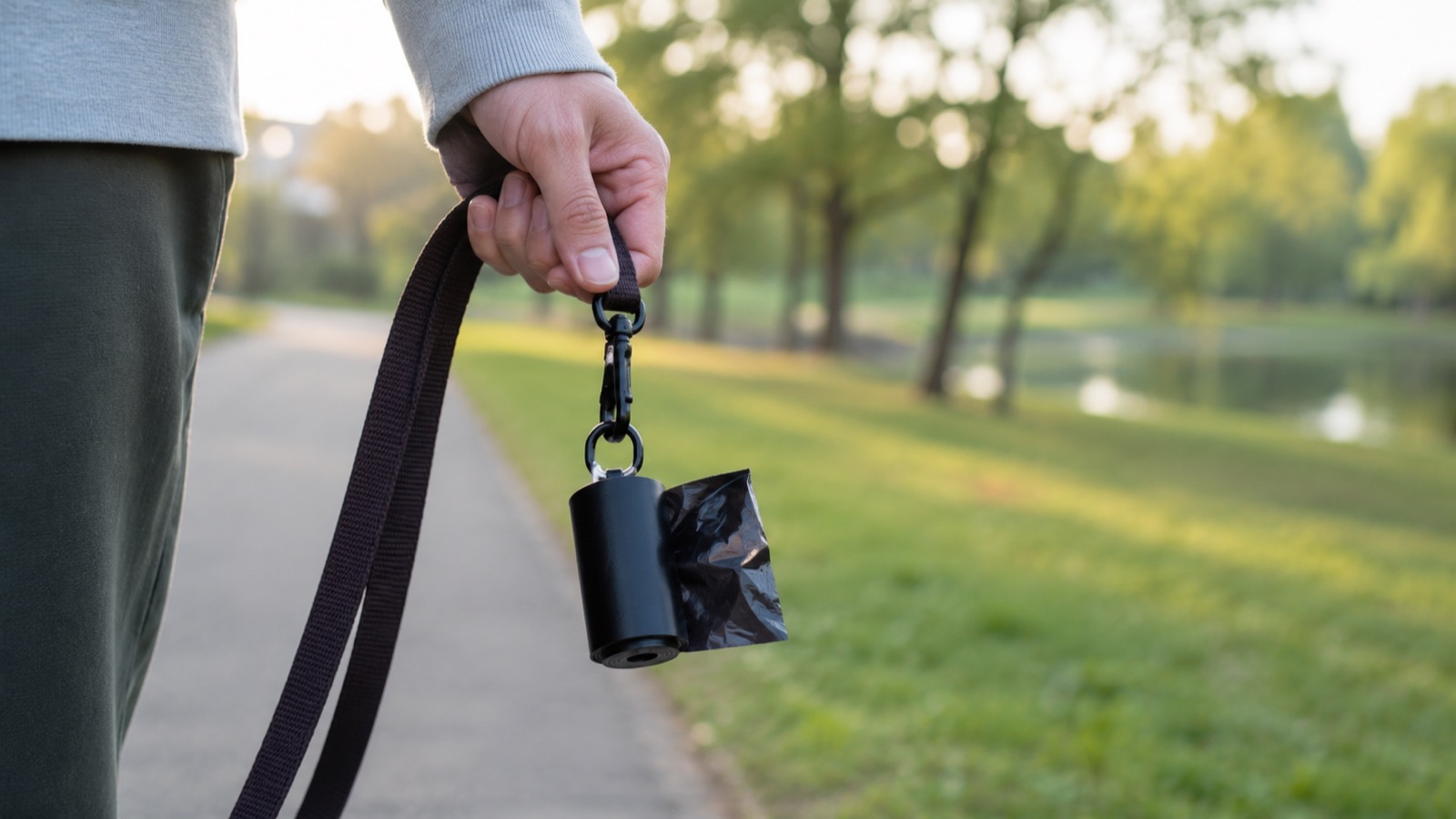
Outdoor cleanup should be effortless so you never skip it during those frequent trips. A long-handled tool with a bag attached lets you praise the puppy and clean up in one smooth moment. Many new owners rely on a simple Pooper scooper that keeps the whole process one-handed while you hold the leash.
Puppy waste is soft and messy, so disposal needs to be secure. Pairing your scooper with Heavy duty trash bags means no leaks on the way to the bin, even with loose stool.
If you are setting up a new home for your growing puppy, coordinating with reliable local experts keeps the transition smooth for the whole household.
The Praise-and-Clean Routine
- Take the puppy to the same potty spot each time.
- Praise immediately when they go in the right place.
- Scoop the waste right away with a bag-attached tool.
- For indoor accidents, use an enzyme cleaner fully.
- Never punish — redirect to the correct spot instead.
Handling Indoor Accidents
Accidents are part of the process, not a failure. Blot up solids and liquids quickly, then saturate the area with an enzymatic cleaner that digests the odor at its source. Plain soap or vinegar often leaves a scent only your puppy can detect.
Keep cleanup supplies in every room you allow the puppy into during training. Speed limits both stains and the scent-memory problem.
Crate Training and Cleanup Together
A properly sized crate supports potty training because puppies avoid soiling where they sleep. But accidents still happen, and quick, thorough cleaning of any crate mess prevents both odor and repeat incidents.
Use a washable crate mat and keep an enzyme cleaner nearby. If your puppy has an accident in the crate, clean it fully before the next nap so the space stays a positive, clean den.
- Right-size crate: just enough room to turn around.
- Washable mat: easy to clean after accidents.
- Enzyme spray: removes odor that invites repeats.
- Consistent schedule: fewer crate accidents overall.
Reading Your Puppy’s Signals
Fewer accidents mean less cleanup, and that starts with spotting the signs. Circling, sniffing, sudden restlessness, or heading to the door all mean it’s time to go out now.
| Signal | What It Means | Your Response |
|---|---|---|
| Circling and sniffing | About to go | Rush outside |
| Whining at the door | Needs to go | Take out and praise |
| After eating or napping | High-probability moment | Preemptive trip |
| Sudden pause in play | Possible urge | Guide to potty spot |
Health Basics for New Puppy Owners
Puppies are especially prone to intestinal parasites, which spread through waste. The American Veterinary Medical Association stresses prompt waste removal and routine veterinary deworming to protect both pets and people. Cleaning up quickly is a frontline defense during these vulnerable first months.
Always wash your hands after cleanup, and keep the puppy’s potty area away from where children play.
Transitioning From Pads to Outdoors
Many owners start puppies on indoor pads and later shift them fully outside. This transition is where cleanup habits and training truly merge. Move pads gradually toward the door, then just outside it, so the puppy learns to associate relief with going out.
During this stage, immaculate cleanup indoors is critical. Any lingering scent on the floor competes with the new outdoor spot and slows progress. Enzyme cleaners erase those competing cues so the outdoor area becomes the clear, unambiguous choice.
Patience wins here. Some puppies transition in a week, others take a month, and setbacks during teething or stressful changes are normal. Keep your cleanup fast and complete, praise every outdoor success, and the puppy will settle into a reliable outdoor routine that keeps your home clean for years to come.
Frequently Asked Questions
Why does my puppy keep pooping in the same indoor spot?
Lingering scent draws them back. Surface cleaning isn’t enough — use an enzymatic cleaner that fully breaks down the odor so the spot no longer signals a potty area.
How soon should I clean up after my puppy goes outside?
Immediately. Prompt pickup keeps the designated potty area clean and inviting, reinforces the habit, and limits parasite spread during your puppy’s vulnerable early months.
What cleanup tool is easiest for a new puppy owner?
A long-handled scooper with an attached bag. It lets you praise your puppy and clean up one-handed while holding the leash, making frequent trips painless.
Should I punish my puppy for accidents?
No. Punishment creates fear and hiding behavior. Redirect the puppy to the correct spot, praise success, and clean accidents thoroughly to remove the scent cue.
Conclusion
Puppy potty training and cleanup succeed together. Pair a consistent schedule and generous praise with a bag-attached scooper, leak-proof heavy-duty bags, and enzyme cleaners for indoor slips. Master both halves and your puppy will be reliably trained, and your home spotless, well into 2026.